Showing posts with label 93. Show all posts

Sunday, 24 August 2025

Ardbeg Anthology 15 Year Old “The Beithir’s Tale” and the Anthology Series (Tasted #697 - #699)

There’s something about Ardbeg that always manages to capture the imagination. For a distillery that spent much of the 1980s and ’90s mothballed or only partly operational, it’s remarkable how firmly it has established itself as a cult Islay favourite since its revival in 1997. From the release of the mighty Uigeadail in 2003, to annual Ardbeg Day bottlings like Grooves and Drum, to more recent crowd-pleasers like An Oa, there’s always been an energy and playfulness around Ardbeg that matches its whisky’s intensity.

It’s also a distillery with a knack for experimentation. From its iconic pagoda-roofed kiln of a bygone era, to unusual cask finishes, and quirky Committee releases like Alligator and Supernova, Ardbeg have always kept Ardbeggians and fans alike guessing. But behind all the different Ardbeg releases, lies one of the most distinctive spirit characters, medicinal, maritime, oily, and unapologetically peaty. Which is why whenever Ardbeg steps into new cask territory, it’s always fascinating to see how that core DNA holds up — and what new dimensions emerge.

The Anthology Collection, introduced in 2023, set out to explore a “sweeter” side of Ardbeg through three different cask experiments, each inspired by a mythical beast. Having now tasted the full trilogy, it’s clear that each release plays with the smoke-sweetness balance in very different ways. The Harpy’s Tale (13yo, ex-Bourbon and Sauternes) turned out to be the brightest and most elegant, with honeyed apricot sweetness tussling against oily smoke — my pick of the series. The Unicorn’s Tale (14yo, ex-Bourbon and Madeira) veered into sharper, baked-fruit territory, with lime and peach syrup layered over smoke and spice. And finally, the Beithir’s Tale (15yo, bespoke “designer” bourbon casks) felt like the most experimental of the three — vanilla, caramel, and toasted oak richness dialled up over earthy peat.

All bottled at 46% ABV, non-chill filtered, and adorned with mythical artwork, the Anthology Collection offers three distinct answers to the question: what happens when you let Ardbeg dance with sweetness?

Ardbeg 13 Year Old “The Harpy's Tale” (46% ABV, 13 Years Old, Islay, Scotland, A$240)

The first in the Anthology Collection, The Harpy’s Tale takes classic Ardbeg smoke and weaves it through the lush sweetness of Sauternes wine casks. On paper, the combination feels almost mythical — and in the glass, it doesn’t disappoint. This is a dram that flits between light and dark, sweet and savoury, all while staying unmistakably Ardbeg.

Nose: Immediately oily and herbaceous, with a salty coastal edge — brine and seaweed against the glass. Then comes a fragrant sweetness: lemon peel, honey lozenges, apricots, even a perfumed lift like dried sage leaves on a bonfire. There’s smoke here, but it’s more wispy and perfumed than the full blast you’d expect from Ten or Uigeadail.

Palate: The first sip is a little surprising — grilled capsicum and wood ash lead the charge, before that honey-lemon lozenge sweetness comes surging back through. Layers of treacle and balsamic richness develop (without the sharp acidity), interplaying with drifting bonfire smoke. It’s savoury and sweet in equal measure, with eucalyptus and charred oak lingering towards the back, dusted with peppery spice.

Finish: Long and lingering, with the embers of a fading bonfire and a persistent spiced warmth that keeps drawing you back for another sip. This is my favourite of the collection.

Rating (on my very non-scientific scale): 93/100 (Hendy)

--

Ardbeg 14 Year Old “The Unicorn's Tale” (46% ABV, 14 Years Old, Islay, Scotland, A$250)

The second chapter in the Anthology Collection, The Unicorn’s Tale, takes Ardbeg’s smoky DNA and pairs it with Madeira wine casks. Where the Harpy’s Tale offered a honeyed brightness from Sauternes, the Unicorn leans into a baked-fruit richness — sharper, nuttier, and just that little bit wilder. It feels like Ardbeg experimenting with sweetness once again, but from a very different angle.

Nose: Immediately rich and fruity — ripe bananas, even those nostalgic banana lollies, mixed with cinnamon scrolls and sweet wooden smoke. There’s depth too, with treacle and peanut brittle sweetness, underpinned by citrus zest and flashes of tropical guava. The peat is there, but it sits like smoke drifting through a sweet bakery window.

Palate: A surprisingly sweet and zesty arrival. Lime cordial and peach syrup coat the tongue, before warming spices of nutmeg roll in alongside vanilla slice and caramel squares. A sweet, woody undertone keeps the balance, while the spirit feels mouth-coating and almost oily. The smoke builds as it develops, wrapping the sweetness in a gentle haze of bonfire.

Finish: Long and lingering, with smoky citrus peel, plenty of ash, and a cool wave of menthol running through the aftertaste.

Rating (on my very non-scientific scale): 90/100 (Hendy)

--

Ardbeg 15 Year Old “The Beithir’s Tale” (46% ABV, 15 Years Old, Islay, Scotland, A$255)

Arguably, the most experimental of the three. The final chapter in the Anthology Collection, The Beithir’s Tale, may just be the boldest of the three. Instead of wine finishes, Ardbeg chose to explore the limits of oak itself, working with bespoke “designer” bourbon casks — air-seasoned, heavily toasted, and lightly charred to specification. Where the Ten shows what classic bourbon casks usually bring to Ardbeg, the Beithir dials it all up a notch: richer vanilla, deeper spice, and toasted sweetness, all mixed with that unmistakable peaty backbone.

Nose: Rich and complex, opening with creme brulee and burnt sugar before a rush of menthol and eucalyptus. Pine needles and fennel add a fresh, herbal edge, while the peat smoke lurks quietly underneath. With time, baked apple pie and sultanas emerge, lending a sweet-fruited counterpoint.

Palate: Zesty and earthy on the palate, quickly becoming richer as blackcurrants, vanilla, and caramel slices coat the palate. The peat smoke undercurrent keeps everything anchored, while layers of citrus (mandarins in particular), black pepper, and a touch of liquorice add depth. It’s mouth-coating and satisfying, striking a balance between sweet oak influence and smoky savouriness.

Finish: Long and defined, leaving smoky embers, liquorice, and lingering spice. A dram that slowly fades.

Rating (on my very non-scientific scale): 91/100 (Hendy)

The Beithir’s Tale feels like the boldest of the three Anthology releases — less about wine finishes, more about cask innovation and the pure interplay between Ardbeg’s spirit and oak. If the Ten is the soul of Ardbeg and Uigeadail its sherried alter-ego, the Anthology series are experimental short stories — each exploring “what if?” scenarios with wood.

The Ardbeg 15 Year Old “The Beithir’s Tale” will be available in Australia from August 26th through the Ardbeg Committee.

Many thanks to the Ardbeg Australia Team for gifting us the new Ardbeg Anthology limited releases.

Cheers,

Hendy

Wednesday, 27 November 2024

The Macallan TIME : SPACE Launch [Tasted: #684]

Last week, Martin and I had the pleasure of attending events for The Macallan TIME:SPACE Collection in both Hong Kong and Sydney, as a celebration of the distillery’s 200th anniversary. The events took us on a journey through The Macallan’s storied past, from founder Alexander Reid’s dedication to quality in 1824 to the wartime ingenuity that shaped its legacy.

The Sydney launch event featured tastings of Macallan’s Classic Cut and 18yo expressions, two drams that beautifully reflect the distillery’s artistry. The Classic Cut 2023, bottled at 50.3% ABV, showcased vibrant notes of orchard fruits, elderflower, and citrus with hints of almond biscotti and toasted oak. Meanwhile, the 18yo Sherry Oak has rich layers of dried fruit, spice, and chocolate, a classic Macallan.

At the heart of the celebration was the unveiling of TIME : SPACE, a dual-chambered vessel housing two extraordinary whiskies. The 1940 Vintage, aged an astonishing 84 years, matured in meticulously selected sherry casks. Representing the future, the 2018 Vintage is a youthful 5-year-old whisky, marking the first distillate from Macallan’s state-of-the-art distillery.

Also revealed was TIME : SPACE Mastery, a stunning single malt created from 14 exceptional cask types. This whisky delivers rich layers of dates, pineapple, and coffee, all while retaining Macallan’s signature elegance. Presented in a circular bottle symbolising the cycle of time, the red case, complete with 200 spikes, is a bold celebration of the distillery’s bicentennial milestone.

With only 200 units of TIME : SPACE dual-chambered bottle available globally, the TIME : SPACE Mastery is the more accessible of the two (priced at $2,700 and arriving in Australia in November 2024, with the exact number of bottles produced not disclosed). The TIME : SPACE Collection is more than a celebration of the past—it’s a toast to the future of The Macallan's whisky mastery. 

Having both recently sampled the TIME : SPACE Mastery, here are our thoughts:


The Macallan TIME : SPACE Mastery (43.6% ABV, Speyside, Scotland, A$2,700 / $11,000HKD)

---------------------------------------------------------------------------------------------------------------------------------------------------------------------

Colour: Rich honey gold.

Nose (Hendy): A captivating aroma unfolds with a gentle musky scent, with a mix of ripe summer fruits—peaches and apricots—balanced by the sweetness of dates, figs and dried fruits. Subtle notes of chocolate with sweet oak.

Nose (Martin): There's a maturity here that (despite its years) you don't find on the 18yo. Not to the same extent anyway. Deep rich zesty coffee notes follow, rich honey notes, with some underlying milk chocolate and ginger. If you look hard enough, slight hints of tropical stone fruits (peaches mostly) appear.


Palate (Hendy): The palate opens up with soft ginger spices, offering a delicate palate with a touch of gunpowder before giving way to layers of citrus, oranges and honey bring a level of sweetness, with sweet oak at the end.

Palate (Martin): Viscous and mouth-filling, with notes of mature oak, a slightly earthiness (which increases over time), some orange zest, dates, maple syrup, ginger and caramel. It doesn't feel like 43% in the mouth - I'd say closer to 46-48%. Power and finesse here.  


Finish (Hendy): Long and lingering, with a gentle, soft spice and fading into notes of vanilla. It was a good Macallan.

Finish (Martin): Long, quite drying, with hints of oak, some BBQ pineapple, Oranges and residual peach notes.

Rating (on my very non-scientific scale): 
93/100 (Hendy) 
92/100 (Martin)

Martin's final comments: Having also tried this side-by-side with the 2023 18yo Sherry Oak, I can confidently say it stands well above as a much more rich, viscous, sherried dram with significantly more complexity. It also has those hints of tropical notes shining through which you just don't get on the 18yo (Lead Whisky Maker Euan Kennedy, who presented our tasting, said he finds the tropical notes tend to come through at around 20 years of age). That said, whether the increased complexity and richness (and admittedly, very cool bottle design) justifies the price jump over the 18yo is a personal decision everyone will have to make for themselves...


Here’s to the next 200 years of Macallan.


Cheers,
Hendy.

Wednesday, 13 November 2024

Gordon & MacPhail Recollection Series #3: 1984 Convalmore, 1981 North Port & 1991 Rosebank [Tasted #680 - 682]

A look back over our Gordon & MacPhail-tagged posts shows it's been a pretty great past few years when it comes to trying incredibly long-aged, well-matured whiskies here at TimeforWhisky.com. In addition to one-off bottlings in the the 60 Year Old, 70 Year Old and even 80 Year Old age ranges, we've also been introduced to "The Recollection Series" of whiskies - #1 in 2022, #2 in 2023 and now, hot off the press, comes Series #3.

These series feature single malts originating from closed, or long-time silent distilleries, with spirit matured in bespoke asks commissioned by G&M. 

Series #1 and #2 saw us taste some incredible drams like Glen Mhor from 1973 and 1982, 1982 St Magdalene, 1981 Port Ellen & 1981 Lochside, so whatever was in store for Series #3, we knew it would be good.

...and we weren't wrong. With 6 expressions this time around, the series is a little smaller, but no less impressive, featuring:
  • Rosebank 1991 – RRP £2,100
  • Glenlochy 1979 – RRP £4,000
  • Convalmore 1984 – RRP £2,300
  • Imperial 1990 – RRP £1,650
  • North Port 1981 – RRP £3,850
  • Port Ellen 1981 – RRP £10,000

Featuring eye-catching, bold new packaging, G&M calls the whiskies ‘forgotten masterpieces’ and ‘lost works of art’, with the distilleries’ spirit revived using stunning illustrations from Emmy-award winning artist, Bruno Mangyoku

Stuart Urquhart, Operations Director at Gordon & MacPhail, said: 
“This year marks our third Recollection Series, which again brings a carefully chosen selection of rare and unique whiskies to enthusiasts worldwide. We’re fortunate enough to have access to a liquid library which is testament to the relationships we’ve nurtured with whisky distillers for almost 130 years.

We’re proud to be able to revive the spirit of these historic distilleries, bringing their stories back into the present day.”  


Gordon & MacPhail "The Recollection Series #3" Rosebank 1991 32yo (51.2% ABV, 32yo, First Fill Bourbon Barrel #2114, Lowland, Scotland, One of 141 bottles, £2,100)
-------------------------------------------------------------------------------------------------------------------------

A distillery called Rosebank was operating as early as 1817. From 1840, under the ownership of the Rankine family, Rosebank prospered, however the distillery eventually closed its doors in 1993. It was reopened under new ownership to great fanfare in 2024. This release is one of the oldest and rarest Rosebank single malts ever released.

Colour: Light sunset gold.

Nose: Light and tropical, with orange, banana and pineapple. As a kid I used to love Golden Circle Tropical Punch fruit juice, and this nose took me straight back to those primary school playground days.  It's a subtle nose though - slowly revealing itself. After time, some lemon slice shows through too.

Palate: Fruity maple syrup? There's a rose-flavoured note, and in the background (subtle) pineapple and banana. 

Finish: Mango and guava! Big time, and long. I recently tried a single cask Springbank (interestingly the same age) and it also had this hugely tropical finish 

Rating (on my very non-scientific scale): 93/100 (Martin).
The highest score I've ever given to a Rosebank? Probably. Feels like it's the best I've tried.


Gordon & MacPhail "The Recollection Series #3" North Port 1981 42yo (50.9% ABV, 42yo, Refill American Hogshead #2072, Highland, Scotland, One of 132 bottles, £3,850)
-------------------------------------------------------------------------------------------------------------------------

Single malts featuring the distillery’s original name, Brechin Distillery, are vanishingly rare. Founded in 1820 near Scotland’s east coast by three brothers, David, John and Alexander Guthrie, the distillery stood half a mile from the River Esk. It remained in family ownership for over a century, renamed North Port Distillery, before new owners closed its doors in 1928. It reopened after the Second World War only to fall silent again in 1983, with the site demolished in 1994. 

Colour: Light amber gold

Nose: Instantly, that well-matured, balanced, incredibly complex nose that shines through on so many of these older G&M releases. There's oak, there's fresh fruit (orchard fruits, peaches, apples) with slightly tropical undertones, nuttiness, fresh pear, and (with a drop of water) some pineapple, apricot and more peach.

Palate: Follows the nose just beautifully, with the oak and fruit in perfect harmony, alongside some gingerbread, mandarin, apricot and graceful oak.

Finish: Very, very long, with a slightly drying oak note and (after a drop of water), some peach.

Rating (on my very non-scientific scale): 94/100 (Martin).
Now THIS is whisky. Just a beautiful dram.


Gordon & MacPhail "The Recollection Series #3" Convalmore 1984 39yo (51.1% ABV, 39yo, Refill Sherry Hogshead #1733, Speyside, Scotland, One of 108 bottles, £2,300)
-------------------------------------------------------------------------------------------------------------------------

Opened as the fourth of Dufftown’s famed seven stills in the heart of Speyside in 1894, Convalmore’s waxy, fruity spirit has very rarely been seen as a single malt whisky. Dedicated almost entirely to blended whiskies, production was interrupted in 1909 by a fire. The distillery expanded in 1964 but was mothballed in 1985. The original buildings are still on the site but the production equipment has been removed. 

Colour: Rich mahogany.

Nose: Muted at first, but after some time it turns into a rich and elegant display of mocha, leather, fresh berries, berry compote and toffee.

Palate: Mature oak with noticeable, but not overpowering sherry notes. Flamed orange zest, black forrest cake, sherry-soaked cherries, cigar humidor, milk coffee and to round things out, hints of dried apricot.

Finish: Long, balanced oak with citrus hints.

Rating (on my very non-scientific scale): 93/100 (Martin).
My love for Convalmore continues.


For more information on Gordon & MacPhail or the Recollection series, visit www.gordonandmacphail.com.

Many thanks again to G&M who kindly provided the tasting of these three beautiful single malts, and & Weber Shandwick for the arrangement.

Cheers,
Martin.

Wednesday, 30 October 2024

Woodford Reserve Tasting with Elizabeth McCall, Woodford Reserve Sonoma Triple Finish [Tasted #679]

Last week, we had the pleasure of joining Elizabeth McCall, Woodford Reserve’s Master Distiller, for an evening of whisky insights, flavour exploration, and plenty of banter ahead of Old Fashioned Week.

Elizabeth kicked off the evening with her unexpected path to whisky. With a background in psychology and counselling, she entered Brown-Forman’s sensory department almost by chance. Her story unfolded as one of curiosity and a deepening passion for whisky, taking her from quality control to training teams worldwide in sensory analysis, eventually landing her the prestigious role of Master Distiller. One of the standout moments was Elizabeth describing her journey from psych studies to the whisky lab—a blend of fate, sensory expertise, and a love for exploring the depths of flavour.

Elizabeth McCall’s journey into the world of whisky is as unique and unexpected as it is inspiring. Growing up, she never imagined she would one day become a master distiller. Instead, Elizabeth pursued her passion for psychology, earning a degree in counselling psychology and initially envisioning a career as a therapist. 

Her introduction to the whisky world started while attending her younger brother’s graduation party, she happened to strike up a conversation with a guest who worked at Brown-Forman, Woodford Reserve’s parent company. When Elizabeth shared her interest in sensory sciences and her struggles finding the right career path, he suggested she apply to their sensory department, where her psychology background would be a valuable asset. Elizabeth was intrigued—she didn’t know much about whisky or sensory evaluation at the time, but the opportunity was too exciting to pass up.

Starting in Brown-Forman’s quality control department, Elizabeth found herself drawn to the nuances of whisky production and sensory evaluation. She was immersed in the hands-on, often mysterious world of whisky-making, working alongside industry experts who taught her about distilling, blending, and the complex layers of flavour that make each whisky unique. A pivotal moment came when she learned that whisky is clear when it first comes off the still—a revelation that sparked her curiosity and deepened her respect for the entire maturation process. She dove into every aspect of her role, from learning to interpret tasting data to helping shape new methods for sensory training across Brown-Forman’s global teams.

In 2014, Elizabeth’s career took a major step forward when she attended a class with Chris Morris, then Woodford Reserve’s Master Distiller. Chris invited her to train as a Master Taster, a role that would allow her to further her sensory skills. Her training alongside Morris offered her the chance to develop her own sensory style, and she soon became the expert palate behind Woodford Reserve.

In 2015, she officially took on the role of Master Taster, working across both Woodford Reserve and Old Forester. Then, in 2016, Woodford Reserve claimed her focus entirely, and Elizabeth moved to the Woodford Reserve Distillery full-time, working as a sensory scientist and overseeing quality control at the historic site. By 2018, she had advanced to Assistant Master Distiller, and in 2023, she achieved the role of Master Distiller.

The tasting session took us through Woodford Reserve’s five sources of flavour: fruit and floral, spice, grain, sweet aromatics, and wood. The tasting paired three Woodford Reserve expressions, with selected foods. Elizabeth led us through each pour with insights into how flavour is crafted, and, more importantly, how it can transform through pairing.

We started with the flagship Woodford Reserve Distiller’s Select bourbon, an iconic expression built around Woodford’s signature “five sources of flavour”—fruit and floral, spice, grain, sweet aromatics, and wood. To bring out the whisky’s versatile profile, Elizabeth introduced a trio of food pairings: parmesan cheese, dried cranberries, and fresh orange slices.

Next up was the Woodford Reserve Rye; a pre-prohibition style rye that’s as approachable as it is complex. Elizabeth guided us through the tasting, with soft hints of baking spices, honeyed sweetness, and dill on the nose. She described the palate as smooth and slightly sweet, with warming cinnamon and nutmeg spices that are softened by notes of light honey and malted barley. This rye is fitting for those who are new to rye or are wanting to check out the category. Elizabeth highlighted how the finish, with its lingering spice and nutty character, reveals the subtle depth and complexity of Woodford’s rye without overpowering the palate. 

The third and final expression we tasted was the Woodford Reserve Double Oaked, A personal favourite of Elizabeth’s, Double Oaked takes Woodford Reserve Distiller’s Select through a second aging phase in a heavily toasted, lightly charred barrel. This added step builds upon the bourbon’s natural complexity, bringing notes of butterscotch, vanilla, marzipan, and dark caramel. To bring out these indulgent flavours, Elizabeth paired the Double Oaked with dark chocolate.

But just as we thought we had completed the tasting, came the highlight for the night, the Woodford Reserver Sonoma Triple Finish

Woodford Reserve Sonoma Triple Finish (45.2% ABV, Versailles, Kentucky, USA, A$269.99)

The Sonoma Triple Finish, a limited Master’s Collection release with a triple-barrel maturation process in Korbel brandy, Sonoma-Cutrer Pinot Noir, and Woodford barrels. With its rich, fruity character and slightly red hue, this whisky was the highlight of the night for me.

Nose: A rich, layered aroma opens with brandy-soaked cherries, sweet cherry liqueur, and the warmth of Christmas cake. Notes of juicy raisins and a subtle hint of baking spices emerge, hinting at the complex interplay between brandy, Pinot Noir, and bourbon barrels.

Palate: Silky and creamy on the tongue, leading with soft vanilla and a medley of warming spices. Clove and nutmeg add depth, mingling with sweet caramel and a burst of tart raspberries. The barrel influence brings a gentle, toasted oak character, balancing sweetness with spice.

Finish: The finish is long and warm, lingering with a satisfying, spiced complexity that hints at cloves and subtle red fruit notes, leaving a memorable, layered impression.

Rating (on my very non-scientific scale): 93/100 (Hendy)

As a fitting end to the evening, and to celebrate Old Fashioned Week, we were served a Dessert Old Fashioned made with maple syrup instead of traditional sugar syrup. It’s a fantastic choice for those looking to experience the Old Fashioned in a new way, with a hint of dessert-like richness.

It was a truly remarkable night with Elizabeth McCall, hearing her stories about balancing life as a master distiller and her reflections on the art of sensory tasting. It’s clear that her journey is just beginning, and with her leadership, Woodford Reserve’s spirit of innovation is in great hands.

Thanks to We Are Different PR and Woodford Reserve for having us on the night

Cheers

Hendy

Friday, 9 August 2024

Cask88 x Ralph Steadman "Whisky Correspondence Course" - Bruichladdich 31yo, Arran 24yo & Glenburgie 24yo [Tasted #674 - 676]

Whisky and art collaborations are nothing new - we've seen everything from Macallan's "Masters of Photography" series, to Glenfiiddich's "Arists in Residence" program, to Glenmorangie's more recent efforts with Azuma Makoto. My view of these has always been the same - they can be fun, sure, and when the collaboration "fits", even great, but fundamentally the underlying whisky has to be good. At the end of the day, you can't drink art!

Thankfully, Cask88's latest collaboration with Britain's legendary illustrator Ralph Steadman not only brings the fun & feels like it "fits", it also involves some fantastic whisky!

Dubbed the Cask 88 x Ralph Steadman Whisky Correspondence Course, the series is intended to take drinkers on a journey of Scotland's distilleries via illustrations from Ralph Steadman's 1994 memoir "Still life with Bottle: Whisky According to Ralph Steadman" adorning bottles of "exquisite, greatly aged, unique single malts from the finest distilleries in Scotland".

Starting (fittingly) with Part One, the series kicks things off with 3 single cask bottlings, available individually by the 700mL bottle or as a set of 3 x 50mL miniatures:


The team at Cask88 were kind enough to send me a miniature set for review, and I've gotta say, this is one of the most impressively designed "sample sets" I've ever seen - right down to the ink pot sample bottles. Sure, it's all about the whisky inside, but opening this certainly brought a smile to my face.


Cask88 x Ralph Steadman "Whisky Correspondence Course" Bruichladdich 31yo (50.6% ABV, 31yo, Refill Hogshead #2258, Islay, Scotland, £565$5,650HKD)
---------------------------------------------------------------------------------------------------------------------------------------------------------------------
Colour: Light golden sunset.

Nose: Light and fruity - grape skins, pear & peach, followed by subtle vanilla hints.

Palate: Oh now we're talking - Tropic Thunder! Passionfruit, lots of pineapple, some guava and apple. Grapefruit, vanilla & pear notes too. It's a tropical fruit basket, with perfectly balanced sweetness.

Finish: Largely follows the palate - tropical right to the end, when a cooling subtle mint note kicks in.

Rating (on my very non-scientific scale): 93/100 (Martin). Beautiful.


Cask88 x Ralph Steadman "Whisky Correspondence Course" Arran 24yo (44.7% ABV, 24yo, Oloroso Hogshead #1556, £565 / $4,250HKD)
---------------------------------------------------------------------------------------------------------------------------------------------------------------------
Colour: Rich amber gold.

Nose: Creamy strawberries & raspberries, with a spray of orange zest, and underlying chocolate hints.

Palate: In line with the nose, sweet strawberries and raspberries, then maple syrup, walnuts, peanut brittle, strawberries again (with cream this time), and more of that chocolate.

Finish: Long and full of dark chocolate and oranges, with a slightly bitter raspberry note.

Rating (on my very non-scientific scale): 92/100 (Martin). Arran around this age can be very good, and this is no exception.


Cask88 x Ralph Steadman "Whisky Correspondence Course" Glenburgie 24yo (55.2% ABV, 24yo, 1st Fill Sherry Butt #9316, £300 / $3,000HKD)
---------------------------------------------------------------------------------------------------------------------------------------------------------------------
Colour: Deep copper.

Nose: Funk, slight sulphur note, chocolate-coated cherries and sour gummies - something I only occasionally find on well-serried whiskies, but a note I really enjoy.

Palate: Rich, unctuous and funky. Oak, but balanced with savoury sherry notes, mature oranges, coffee beans, rooibos tea and ripe raspberries, with a slight bitterness after some air.

Finish: Long, warming coffee notes with some berries, and oak funk.

Rating (on my very non-scientific scale): 93/100 (Martin). Lots going on here, and it all works well together. Really enjoyable.


I have to say, I was expecting one, maybe two of these casks to be standouts, but didn't expect all 3 to be so good. All very different (fruity, moderately sherried & very sherried), but all excellent.

The Cask 88 x Ralph Steadman Whisky Correspondence Course is available directly from Cask88 in the UK, or from Dram Good Stuff in Hong Kong (pricing and links above).


Cheers,
Martin.

Monday, 5 August 2024

Starward Botrytis Cask [Tasted #673]

Before discovering Starward's latest release, the Botrytis Cask, I had never heard of Botrytis wine. A conversation with Martin revealed it's a type of dessert wine, piquing my interest to learn a bit more about this wine. Some reading into Botrytis wine unveiled fascinating details about this unique wine and how it influences Starward's new project release.

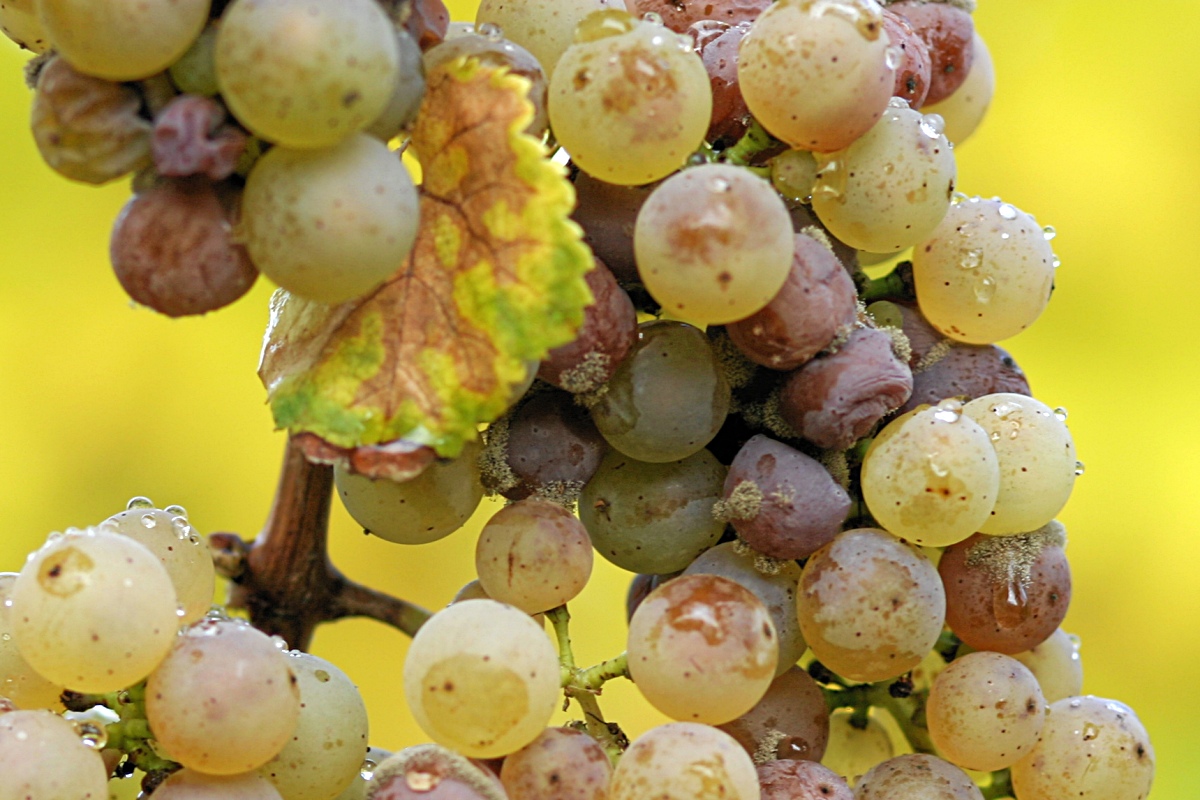
Botrytis is a type of fungus that shrivels and decays wine grapes (see below for an image of the fungus on a bunch of riesling grapes), yet is highly coveted in winemaking due to its ability to intensify sweetness and add flavour complexity. Known scientifically as Botrytis cinerea, this fungus is related to the strains used in penicillin and blue cheese. In winemaking, Botrytis dehydrates the grapes, concentrating their sugars and flavours, which makes the resulting wine richer and sweeter. This process, often referred to as 'noble rot,' creates dessert wines with unique notes of honey, beeswax, and ginger. Notable examples include France's Sauternes and Hungary's Tokaji Aszú."

Typically harvested late in the season, Botrytis wines undergo a meticulous, slow fermentation process and can age gracefully for decades. Their rarity and labour-intensive production often make them expensive and highly sought after as the grapes are often hand picked to ensure there is a balance between botrytis fruit amongst the grapes.

Now what happens when you age whisky in Botrytis wine casks? I gather that the whisky will impart the characteristics from the Botrytis wine; with added sweetness, complexity, and a perhaps a rich, multidimensional whisky. 

So this is exactly what Starward have done in their latest unveiling, the Starward Botrytis Cask, a single malt whisky, fully matured for seven years in fresh and charred casks that once held Botrytis Semillon dessert wine. It was first filled in 2017 and bottled this year. As Head Blender at Starward Jarrad Huckshold explained, he had to use both, fresh and charred Botrytis casks when creating this release The combination of two barrel finishes helped the liquid “develop the distinct dessert-like characteristics”. Jarrad added: “The fresh barrels impart those nuanced botrytis characteristics on our signature spirit; while the portion of casks that were charred offer a slightly savoury mouthfeel and balance out some of the dessert-like characteristics. This is a moreish whisky that will make an impression.” 

It is said that Botrytis casks are uncommon as they're only made in small quantities in Australia, making this release exceptionally rare for Starward. In Australia, Botrytis semillon is a notable example of this style, produced from semillon grapes affected by Botrytis cinerea. The Hunter Valley is particularly famous for its Botrytis semillon, where the warm and humid climate, morning fog, and cooler evenings create perfect conditions for the development of 'noble rot'. The Hungerford Hill Botrytis Semillon is one example, with notes of sweet apricots and marmalade, balanced with some lemon citrus, balancing the richness and finishing clean. 

Starward Botrytis Cask (48% ABV, Port Melbourne, Victoria, Australia, A$169)

The Starward Botrytis Cask, a single malt whisky, fully matured for seven years in fresh and charred casks that once held Botrytis Semillon dessert wine. Overall, it was a concoction of dessert flavours, almost resembling what I would call a Christmas whisky with the range of sweet, rich and delectable notes.

Nose: The nose opens with a rich aroma of wax honey, reminiscent of honeycomb, followed by a refreshing hint of peppermint, the smell of a lush winter morning. There’s a delectable scent of scrumptious Christmas cake, laden with dried fruits and spices, accompanied by a sweet cherry glaze. Notes of rum and raisin ice cream add a creamy, boozy undertone, while fresh apples and pears, and a medley of fruit salad, bring a lively, juicy character. Hints of burnt orange and cinnamon round out the nose, adding warmth and complexity.

Palate: On the palate, it is rich and indulgent, starting with the sweet, comforting taste of vanilla cupcakes. More of those succulent raisins and fruit bread come through, complemented by the flavour of rum-soaked bread, echoing the notes of a traditional Christmas cake from the nose that's packed with raisins. Cinnamon buns add a spicy sweetness. The chewy texture of caramel lollies adds a luscious, lasting sweetness, creating a beautifully balanced and layered experience.

FinishThe finish is exceptionally long. Glazed cherry remnants provide a sweet, fruity finish, with persistent notes of rum and raisin that carry through to the end. A subtle hint of mint gradually settles, offering a refreshing, clean conclusion.

Rating (on my very non-scientific scale): 93/100 (Hendy)

The Botrytis Cask is the latest addition to the illustrious lineup of project releases, adding to the previous project release expressions. Starward Botrytis Cask is a distillery-exclusive release— to get your hand on a bottle, you can enter the ballot here to secure your bottle. The ballot will be drawn on 21st August.

Thanks to the Starward team for providing a sample Botrytis Cask bottling for us to try

Cheers

Hendy

Sunday, 9 June 2024

Archie Rose Single Cask Series [Tasted #670 - #672]

In the world of whisky, few distilleries have carved out such a prominent place as quickly as Archie Rose Distillery in Sydney. Founded in 2014 by Will Edwards, Archie Rose has been known for innovating through all their different releases and for having quite unique proposition including their Tailored Spirits/Whisky Program and wood smoked whiskies. Guided by Master Distiller Dave Withers (one of the most knowledgable whisky folk we know and whom spent some time at the legendary Oak Barrel), Archie Rose has made leaps and bounds over the past decade to make a mark in the Australian whisky scene.

When Archie Rose first opened in 2014, the Australian whisky scene was quite different. Most people equated Australian whisky with Tasmanian whisky, and Sydney had been without a whisky distillery for a long time. In this landscape, Archie Rose emerged with its close proximity to Sydney city, a stunning bar (which we had reviewed back in 2015), unparalleled transparency, and a fresh attitude towards spirits. Along with Starward, which released its first whisky in 2013, Archie Rose began changing the scene.

A visit to Archie Rose in 2015 by Marto revealed the impressive setup and meticulous attention to detail in their production process. The original distillery, located in Rosebery, Sydney, was split into two sections: the production and cask storage on one side, and the stunning bar on the other. The distillery featured a hand-spun hopper for a 600kg mash, mash tun and stills by Peter Bailly, and Italian-made fermenters with temperature control. The distillation process includes a 3,600L steam-heated wash still, a 1,700L spirit still, and a 300L gin still for infusing botanicals. While Archie Rose has moved its distillery to Banksmeadow in 2020, much of the above equipment remain at their original site for display to the public.

Archie Rose’s innovative streak is quite evident over the years. They started with white spirits—gin, vodka, and white rye—and quickly expanded their offerings. The distillery’s approach to local sourcing is one of the things that sets them apart; they source all their malts locally and also use native ingredients such as red gum and stringybark for smoking their rye grain (as opposed to importing peated grain or peated barley).

They introduced the Tailored Spirits program, allowing customers to create their personalised gin, vodka, or whisky. The Tailored program, first, launched in 2015, has been pioneering in making personalised spirits accessible and affordable. In 2018, they continued their innovative pursuits by launching the Six Malt New Make, a new make blend derived from six different malt mash bills. This release provided insights into the base spirit of Archie Rose’s single malt whisky, showcasing their dedication to quality and depth from the start. More recent releases include Heritage Red Gum Cask Single Malt from earlier this year and Double Malt Whisky in 2023, released as part of Archie Rose's Fundamental Spirits Range.

Commencing this year, Archie Rose has also begun exporting their products to Asia, including markets like Korea, Malaysia, and Singapore. The expansion is part of their strategy to present a full portfolio of products and establish a strong international presence.

The upcoming Single Cask Series, to be released on 11 June, includes three distinct releases:

  • The Heritage Rye Malt Single Cask, aged in a single apera cask, serving as a homage to Australia’s heritage of fortified wines and showcasing Riverina-sourced heritage rye malt. This was my pick of the three.
  • The Single Malt Single Cask, an example of what makes Archie Rose’s signature whisky special. This single cask offers layer upon layer of malt-driven flavours, an excellent fruit profile, and a beautifully balanced apera cask influence. At four and a half years old and full cask strength, it delivers quite a powerful and incredibly complex whisky.
  • The Smoked Rye Malt Single Cask, made from NSW heritage rye grain, custom smoked over sustainably harvested Australian native stringybark, offering a truly unique and entirely Australian flavour profile. This cask-strength whisky balances sweetness, smoke, and rye spice with flavours reminiscent of campfire, grilled peaches, and prosciutto.

We sat down with Will and Dave as part of the launch of the Single Cask Batch 1 Release where they noted that one of the significant challenges in whisky production for them is in sourcing high-quality casks. Over the years, Archie Rose partnered closely with wineries though they have now also developed their own method of developing bespoke sherry casks. The process, managed in their Banksmeadow facility, ensures that each cask contributes uniquely to the whisky’s flavour profile. Both the Single Malt and Heritage Rye Malt single cask releases were bottled from ex apera casks.

Will and Dave also shared their thoughts and experience, particularly their frustration in dealing with rye early on in the Archie Rose journey. Rye, known for its glutinous nature, presents a different kind of challenge. Will spoke to the use of a new mash filters at their Banksmeadow facility which they didn't have at their original Rosebery distillery. Will shared his experience in dealing with rye early on, something akin to trying to sieve the liquid out of a porridge; that's basically what working with rye is like. With the new mash filters at the Banksmeadow facility, working with rye has become much more manageable.

"It's an amazing thing to come across a cask and say, 'This. This one right here. That's the essence of what we're trying to achieve." quoted Will Edwards

Single Cask Whisky Batch No. 1: Heritage Rye Malt (68.2% ABV, NAS, Sydney, Australia, A$299)

The Heritage Rye Malt Single Cask has been aged in a single apera cask, serving as a homage to Australia’s heritage of fortified wines and showcasing Riverina-sourced heritage rye malt. This was my favourite of the three single cask releases.

Nose: The aroma opens up nicely with the sweetness of honey and apricots, accompanied by the richness of cherries and plums. There is some rye spice and other spices adding a layer of depth and intrigue.

Palate: On the palate, it's very velvety, rich and mouth-filling layers of concentrated fruits, more apricots and cherries. These fruity notes are complemented by a hint of toasted oak, which adds a delicate woodiness.

Finish: The finish is long and luxurious, with the rich flavours of apricot and cherry persisting. There's a lingering fruit and spice.

Rating (on my very non-scientific scale): 93/100 (Hendy)


Single Cask Whisky Batch No. 1: Single Malt (66.9% ABV, NAS, Sydney, Australia, A$349)

The Single Malt Single Cask is an incredible example of what makes Archie Rose’s signature whisky so special. This single cask offers layer upon layer of malt-driven flavours, an excellent fruit profile, and a beautifully balanced apera cask influence. At four and a half years old and full cask strength, it delivers quite a powerful and incredibly complex whisky.

Nose: The aroma opens with the rich sweetness of nougat, sticky raisins and Christmas pudding, creating a luscious mix of fruit (there's the apera influence). Some milk chocolate and orange citrus.

Palate: On the palate, roasted almonds and some chocolate, the milk chocolate, mixed with sticky date pudding. There is more on the rich fruit and spices.

Finish: The finish is long and dry, with the fruit and spices gradually giving way to a drying finish.

Rating (on my very non-scientific scale): 91/100 (Hendy)


Single Cask Whisky Batch No. 1: Smoked Rye Malt (65.1% ABV, NAS, Sydney, Australia, A$269)

The Smoked Rye Malt Single Cask, made from NSW heritage rye grain, custom smoked over sustainably harvested Australian native stringy bark, offering a truly unique and entirely Australian flavour profile. 

Nose: The aroma is meaty and there is subtle hint of maple bacon and stone fruits. Subtle hints of ginger and honey add a delicate floral touch.

Palate: On the palate, there is a mix of peaches, and apricots. These notes are seamlessly joined by the nutty warmth of roasted almonds and the zesty notes. There are layers of caramel slice with a hint of peppermint (or eucalyptus) adding a refreshing lift.

Finish: The finish is long, as the flavours of fruit, nuts, and spice intertwine with smoky campfire notes. Te finish leaves a lasting impression of balanced sweetness and savoury umami depth.

Rating (on my very non-scientific scale): 91/100 (Hendy)


Thanks Will & Dave from Archie Rose for hosting us and taking us through the new single cask series.

Cheers,

Hendy

Friday, 17 May 2024

Starward Bourbon Cask #1 and #2 [Tasted #661-662]

Earlier this week Starward released their second bourbon cask release, officially dubbed, the Starward Bourbon Cask #2. This second release follows the first Bourbon Cask which was released in mid 2018 and only saw an outturn of around 1,200 bottles. For this second bourbon cask release, Starward fans alike can join Starward’s ballot system to secure an allocation. It's not known how many bottles there are in the outturn.

I was fortunate enough to join David Vitale, Starward Founder and Charlie Dyer, Starward Blender this week to sample the Bourbon Cask #2. In fact, the tasting also featured the first bourbon cask release, Starward Nova (their OG red wine cask release) as well as a sample of their wash and new make spirit to give people a sense of evolution of the liquid. It was fascinating to contrast the Bourbon Cask #2 with Bourbon Cask #1, side by side, and while they share the same ABV, they are both distinctly unique. You’ll find my tasting notes on both down the bottom but I thought it would be good to recap a bit of Starward’s history.

Time for Whisky has always been a friend of Starward, dating all the way back to early 2013 when David met Martin in Sydney while David was in Sydney to introduce the “New World Whisky Distillery;” was then renamed Starward. 2013 was also the year Starward’s first whisky was released, Solera, matured in Australian ex-Apera casks and the initial release embodied David’s vision of creating a distinct, tasty yet uniquely Australian whisky. 

Since then Starward has gone strength to strength, having attracted funding from Diego in 2015, followed by the relocation of their distillery from the old Essendon Fields to Port Melbourne in 2016, expanded their core range to include Two Fold Double Grain whisky (dubbed the everyday whisky) in 2019 and receiving numerous gold medals at the San Francisco World Spirits Competition, underscoring the success of their approach and the quality of their products. Over the years, Starward’s spirit has also evolved, having begun with a somewhat estery profile due to  the small-scale distillation and over time, improvements in their brewing, fermentation, and distillation have led to a more balanced spirit.

Despite their growth, Starward have very much retained their unique fruit notes, in particular, the banana note. In fact, this distinct fruit profile was what David proudly attribute to what makes Starward unique, The fruity profile, in particular the banana note has been a hallmark of Starward whisky, which David has committed to retain while enhancing balance. David’s ethos has always been on how to best produce a distinctly Australian whisky that reflects the local climate, ingredients, and culture. 

Many of Starward’s releases since have been inspired by the vibrant culture and the regional influences. Starward has always had a focus on using local ingredients, including Australian malted barley and locally sourced wine barrels. In addition, Melbourne's 'four seasons in a day' climate has been said to influence the Starward whisky aging process. Allowing for faster maturation compared to traditional regions and David has termed the maturation years as the “Melbourne years”

Since the beginning, Starward's signature play was with the use of red wine barrels for aging, which added unique fruit and oak characteristics to their whisky. The use of red wine barrels has been a significant factor in creating a unique flavour profile, contributing to Starward's distinctive character.

So then, what's the fuss with the bourbon cask release?

The first Starward Bourbon Cask release, known as Starward Bourbon Cask 1, was released in mid 2018 with an outturn of 1,200 bottles. Bourbon Cask #1 was Starward's experimentation with different types of barrels to create unique whisky expressions. This release marked their venture into using ex-bourbon barrels for aging their whisky, differing from their usual practice of using red wine barrels. In fact, their first foray into bourbon cask got them to work on the second bourbon cask, almost immediately after.

The use of ex-Wild Turkey and ex-Maker Mark's bourbon casks imparted distinct flavours to the whisky, adding vanilla, caramel, and subtle spice notes. This contrasted with the fruit-forward profile typically associated with their red wine barrel-aged expressions. The whiskey retained the characteristic balance of spirit, oak, and fruit that Starward is known for, but with the added complexity from the bourbon cask influence. Overall, the first Starward Bourbon Cask release was a significant milestone for the distillery, and as such paved the way for this subsequent significant milestone for Starward, their second Bourbon Cask release.

Starward Bourbon Cask #2 has been described as an inverse to their highly awarded and signature red wine barrel maturation style. With a 52% ABV, one might think both bourbon cask releases are identical but the decision on the ABV was made to showcase the whisky as what the Blender has intended to showcase. Starward's second Bourbon Cask release sees their malt fully matured in bourbon barrels for five 'Melbourne years'. Similar to Bourbon Cask #1, Bourbon Cask #2 also saw the use of ex-Wild Turkey and ex-Maker's Mark bourbon barrels.

As Charlie Dyer, Starward Blender noted, ‘there’s nothing to hide behind with bourbon barrels’ and these casks provided the perfect, neutral canvas to let the Starward new make spirit shine. Expect all those deliciously tropical fruit notes from the fermentation process to shine through. 

It took Starward nine years to release their first Bourbon Cask in 2018, and another six years to release Bourbon Cask #2…. who knows if there will be another.

Starward Bourbon Cask #1 (52% ABV, Port Melbourne, Victoria, Australia, A$199)

The inaugural bourbon cask release has its own complexity.

Nose: The nose opens with a rich, inviting note of vanilla, followed by a more concentrated vanilla essence that adds depth and sweetness. A comforting note of cereal emerges, reminiscent of freshly milled grains. Juicy berries add a burst of fruity freshness, while the honeyed sweetness of Weet-Bix cereal blends in. A cool, refreshing hint of peppermint provides a crisp, clean finish to the nose profile.

Palate: The initial palate reveals subtle yet creamy vanilla notes, setting a smooth foundation. This is quickly joined by the tart, vibrant flavor of raspberries, which adds a lively contrast. A hint of Starward's banana note is followed by honey which introduces a tropical sweetness, complemented by pineapple notes that bring a bright, citrusy touch. Rich molasses adds a deep, caramel-like sweetness.

Finish: The finish is relatively short but leaves a lasting impression of sweet berries. The prominent tannin creates a dry, lingering sensation.

Rating (on my very non-scientific scale): 91/100 (Hendy)


Starward Bourbon Cask #2 (52% ABV, Port Melbourne, Victoria, Australia, A$169)

So what was my impression of their second bourbon cask, in summary, delicious, a lot richer, flavourful and more vibrant, when compared side by side with their first bourbon cask release.

Nose: A delightful medley of aromas greets you, starting with the sweet, nutty scent of nougat and the floral, delicate notes of rosewater. Vanilla essence provides a creamy undertone, while a fresh burst of peppermint adds a cooling sensation. The herbaceous hints bring a touch of earthiness, complemented by the tropical scent of coconut shavings. Subtle whispers of raspberries and banana introduce a fruity sweetness, rounded out by the rich, caramelized aroma of grilled pineapple.

Palate: The first sip delivers a vibrant burst of mixed berries, enveloping the palate with their juicy sweetness. This is followed by a zesty Sunburst orange note that adds a refreshing citrusy twist. Black pepper provides a spicy kick, balanced by a cool hint of peppermint. The flavors evolve into a creamy strawberries and vanilla shake, offering a smooth and indulgent experience. A subtle hint of pineapple lingers, adding a final touch of tropical fruitiness.

Finish: The finish is exceptionally long, leaving a lasting impression of ripe berries and smooth vanilla. The tropical essence of coconut shavings adds a delicate, nutty sweetness, while the finish concludes with a satisfying tannin that provides a dry, lingering end, leaving you with a well-rounded, memorable taste experience.

Rating (on my very non-scientific scale): 93/100 (Hendy)

Given the limited edition release, Starward has opened their ballot system for everyone who's wanting to secure a bottle to register on their website. Starward fans alike can register themselves into the ballot which will be open until 2nd June

Cheers
Hendy

Saturday, 30 September 2023

Women in Whisky, GlenDronach Tasting with Dr Rachel Barrie, inc GlenDronach Grandeur Batch 12 [Tasted #651]

In the world of whisky, few names resonate as powerfully as that of Dr. Rachel Barrie. With a career spanning over 28 years, she has left an indelible mark on the industry. Trained as a bio-chemist, Dr. Rachel Barrie began her journey under the mentorship of the legendary whisky figure, Dr. Jim Swan.

Before joining Brown Forman in 2017 as a master blender, she honed her skills at renowned distilleries such as Glenmorangie, Ardbeg, and Bowmore. At Brown Forman, she has been instrumental in crafting the unique identities of The GlenDronach, Benriach, and Glenglassaugh’s Single Malt Scotch whiskies.

One of her most significant contributions to date is the relaunch of Benriach’s entire core range as well as the recent Glenglassaugh Coastal series which we had reviewed earlier this year. This ambitious project is widely regarded as a testament to her vision and authority as a master blender.

Dr. Rachel Barrie’s influence extends beyond blending exceptional whiskies. She has played a pivotal role in shaping the future of each distillery through bespoke, considered maturation in quality oak casks. Her efforts have helped attract a more diverse audience to the world of whisky than ever before.

Often referred to as Scotch Whisky’s First Lady, Dr. Rachel Barrie’s contributions have not gone unnoticed. She is a proud member of Whisky Magazine’s illustrious Hall of Fame, a fitting recognition for a woman who continues to inspire many in the industry.

So when I found out she was making her way to Australia, I was excited. As often happens with Master Blenders, they get whizzed around the country to host a number of events and dinners while they are in town. Time for Whisky was extended the opportunity (thanks to Brown Forman and We Are Different PR) to join the Women in Whisky event with Dr. Rachel Barrie and given her superb contributions over the years, I knew this was a special panel.

The event featured a panel, hosted by Carmen Hartwich, Queensland-based Brand Ambassador for Brown Forman and featured Dr Rachel Barrie, Kathleen Davies, of Nip of Courage and Emily Cason, co-founder and director of The Whisky Club.  


Kathleen, as most would know, has over 30 years of experience in the industry, having founded Nip of Courage, Aussie Tipple Company and more importantly Women of Australian Distilling. Emily Cason, one of the co-founders of The Whisky Club has a background in the global drinks trade and publishing and has successfully founded The Whisky Club which has now grown far and wide to serve distinct whisky releases to the masses.

The panel discussion noted the progress and the importance of fostering diversity and inclusion within the whisky industry. A noteworthy trend is the increasing participation and leadership of women across various roles. Emily added that there has also been an ongoing evolution of the drinking culture, especially among younger generations, who are now exploring and developing an enhanced appreciation for quality whisky. Emily explained that over 65% of The Whisky Club's membership base consists of individuals under the age of 35. Furthermore, data underscores a distinct shift toward quality over quantity, with younger members willingly investing in premium, higher-quality whiskies.

The profound influence of female leaders like Dr. Rachel Barrie, Kathleen, Emily and Carmen cannot be understated. Their pioneering contributions have not only left an indelible mark on the industry but have also served as a wellspring of inspiration, nurturing the next generation of female whiskey lovers and enthusiasts. This past decade has witnessed a transformation in the whisky landscape, making it more accessible and enjoyable. This paradigm shift has effectively shattered stereotypes, rendering the industry more inclusive and inviting to individuals of diverse backgrounds, regardless of gender.

A number of highlights from the panel discussion:

Over my 30 years in the industry, it is encouraging to see the growth of diversity and inclusion in the whisky industry for women particularly. In 2021, we recruited Kirsten Ainslie into the role of assistant blender, so it’s been fantastic working and mentoring her, seeing the long term commitment to investing into and growing our single malts. 
- Dr Rachel Barrie, Master Blender at The GlenDronach, Glenglassaugh and Benriach 
“It's truly wonderful to witness the passion and enthusiasm that's drawing more people into the whisky category. The modern whisky drinker can’t be stereotyped by gender, affluence or age. What brings us all together is our shared passion for whisky, which transcends any basic demographic data or industry cliches.” 
- Emily Cason, The Whisky Club 
“My mission, as well as the mission of the board and our team, is to encourage these women to step forward, apply for positions they may not feel they are qualified for, and give them opportunities like speaking at events, which they often aren't invited to participate in. When I first started my career, I was one of 13 females amongst a pool of 500 men, and even though it was tough, I kept going and pushing forward. We are committed to encouraging these women to take the leap, improve themselves, and serve as a supportive cheerleading squad for them.” 
- Kathleen Davies, Women of Australian Distilling 
“It's about having a passion, curiosity, and the courage to put yourself forward. It's about continuously learning something new every day and just going for it. My approach is to ‘nurture the best nature’ of each distillery, fully understanding how each environment influences them. I’m always looking to raise the bar, raise expectations. 
- Dr Rachel Barrie, Master Blender at The GlenDronach, Glenglassaugh and Benriach

Following the panel discussion, Dr Rachel Barrie then hosted a tasting of three Glendronachs;

  • GlenDronach 18yo, also known as Allardice; named after the renowned founder of the distillery, James Allardice.
  • GlenDronach 21yo, aka the Parliament, aptly named after the 'parliament (colony)' of rooks that have been nesting in the trees that overlook the GlenDronach distillery for almost 200 years; and
  • GlenDronach 28yo 1994 single cask #1769
As a GlenDronach fan, the tasting was phenomenal as expected and it was great to have also gone through the tasting with Dr. Rachel Barrie, indulging in the very fine thing that she has spent day and night creating. To cap off the night, we were all given a mystery dram which was later revealed to be the 2023 GlenDronach Grandeur (Batch 12) Personally, I have never tasted the Grandeur prior so I knew this was special.

The GlenDronach Grandeur is a limited edition release and was originally released as a special edition whisky in association with the Kingsman movie franchise. The original release was known as The GlenDronach Kingsman Edition 1989 Vintage and was created in collaboration with Matthew Vaughn, the director of the Kingsman film franchise. The original release was produced from a selection of six casks distilled in 1989, matured in Oloroso sherry casks and finished in PX casks. There was also a subsequent release, the GlenDronach Kingsman Edition 1991, a 25yo.

The 2023 edition of the GlenDronach Grandeur, also known as Batch 12, is a 29yo, matured for almost 30 years in Oloroso casks and bottled at 49.2% ABV. 


GlenDronach Grandeur 29yo Batch 12 (49.2% ABV, Highland, Scotland, A$TBC)

------------------------------------------------------------------------------------------------------------------------

A rich and opulent GlenDronach that has all the typical hallmarks of full-bodied sherried GlenDronach mixed with velvety elegance. As Dr Rachel Barrie described, the Grandeur series is rather “rich, indulgent, exuberant and full-bodied sherry cask style”. 

Nose: Velvety, the nose is filled with sticky date pudding with remnants of dates, creme brulee, rich custard, and a hint of vanilla slice. The nose is rich, sweet and opulent.

Palate: The palate is rather interesting, while there is the sweetness that follows from the nose, the initial palate is salty, salted caramel, espresso mixed with milk chocolate. It is a bit dry on the mouth but has a mixture of raisins and white pepper.

Finish: The finish is long, drying, and leaves nutty and mild spices on the palate

Rating (on my very non-scientific scale): 93/100 (Hendy)


Thanks to Dr Rachel Barrie, Brown Forman and We Are Different PR for having us at the Women in Whisky special event. 

Cheers,
Hendy